
Product summary
What it is designed for
Closed-cell EPE foam roll for scratch protection, interleaving and lightweight cushioning.
Explore Protective Packaging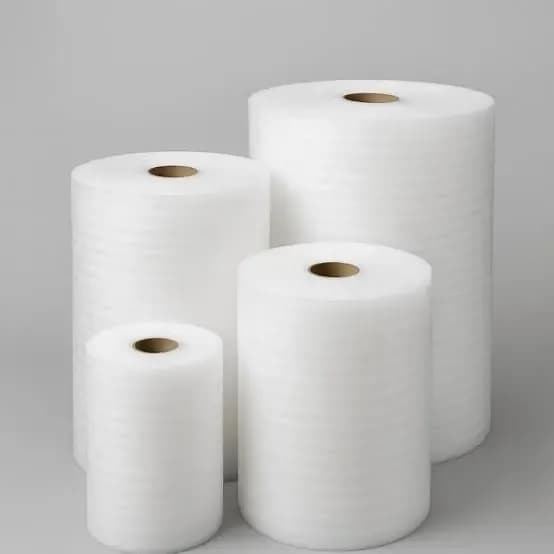 Featured product
Closed-cell EPE foam roll for scratch protection, interleaving and lightweight cushioning.
Model: SE-PP-EPE-016SKU: SE-PP-EPE-016
At a glance
All specifications ↓Product reference is added automatically. Domestic and export enquiries are supported.
Product overview
Product summary
Closed-cell EPE foam roll for scratch protection, interleaving and lightweight cushioning.
Explore Protective PackagingBuyer highlights
Final selection is confirmed against the application and operating conditions.
Technical data
Published values are grouped like a technical data sheet, so buyers can compare the product against their application requirements.
Need a custom configuration?
Share the required size, colour, quantity or operating condition for confirmation.
Discuss requirementTechnical data sheet
SE-PP-EPE-016
Final dimensions and compatibility are confirmed during enquiry review.
Need technical confirmation?
SE-PP-EPE-016 will already be selected in the enquiry.
Detailed information
Read the complete product description
### Product Overview
Foam Roll is a flexible protective packaging material used to cushion products and separate surfaces. Polyethylene foam rolls are widely used for wrapping, interleaving, light cushioning and scratch protection in industrial and distribution packaging.
### Suitable Equipment / Application Method
Applied manually as roll material, sheets or converted pieces. Thickness and density must match the product weight, surface sensitivity and required shock protection.
### Suitable Applications
- Surface protection for finished products
- Interleaving between components
- Light cushioning and wrapping
- Protection of furniture, electronics, automotive parts and industrial components where suitable
### Construction and Materials
Protective foam rolls are commonly made from polyethylene foam, including low-density closed-cell constructions. Other foam chemistries also exist, so the exact material should be confirmed for the supplied product.
### Operating / Usage Considerations
Foam thickness alone does not define cushioning performance. Density, compression behavior, product weight, drop height, repeated impact, static sensitivity and surface finish should also be considered.
### Selection Note
Confirm material, density, thickness, roll width, roll length, color, anti-static requirement, lamination/adhesive option and the product to be protected.